 Historical
H.H. Holmes' Devil's Food Cake
A popular dessert from the era of America's first documented serial killer.
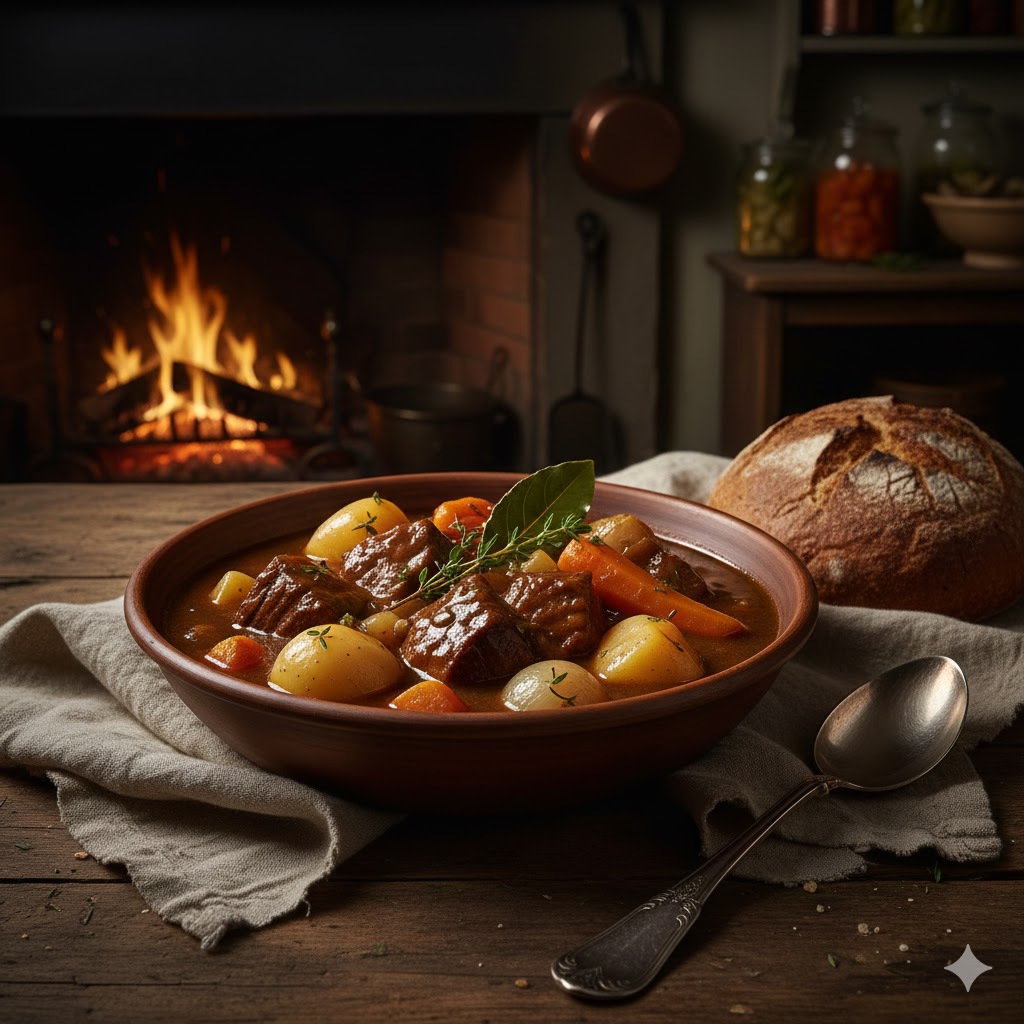
A hearty, slow-cooked beef stew typical of Victorian-era London public houses. George Chapman ran several pubs in the East End where he served dishes like this - all while slowly poisoning his common-law wives with antimony. Some investigators considered him a prime suspect in the Jack the Ripper murders.
George Chapman - born Severin Klosowski in Poland in 1865 - arrived in London's East End in 1888, the same year Jack the Ripper terrorized Whitechapel. A trained barber-surgeon, Chapman eventually became a publican, running several pubs in South London where hearty fare like beef stew was standard.
Between 1897 and 1902, Chapman poisoned three of his common-law wives with antimony tartrate, administering small doses over time that caused agonizing deaths mimicking natural illness. He was finally caught when a doctor grew suspicious of his third victim's symptoms.
The Jack the Ripper Connection: Chief Inspector Frederick Abberline, who had led the Ripper investigation, was convinced Chapman was Jack the Ripper. Upon Chapman's arrest, Abberline reportedly told the arresting officer: "You've got Jack the Ripper at last." Chapman had surgical knowledge, lived in Whitechapel during the murders, and matched witness descriptions. However, criminologists note that poisoners and violent killers rarely cross methods, making the connection controversial to this day.
Chapman was hanged at Wandsworth Prison on April 7, 1903. His pubs had been known for their warm atmosphere and traditional English cooking - a disturbing facade for the calculating poisoner within.
This beef stew represents the type of rustic, comforting fare that would have been served in Chapman's establishments, where unsuspecting patrons dined while a killer tended bar.
More dishes from criminal history.
Historical
A popular dessert from the era of America's first documented serial killer.
 Historical
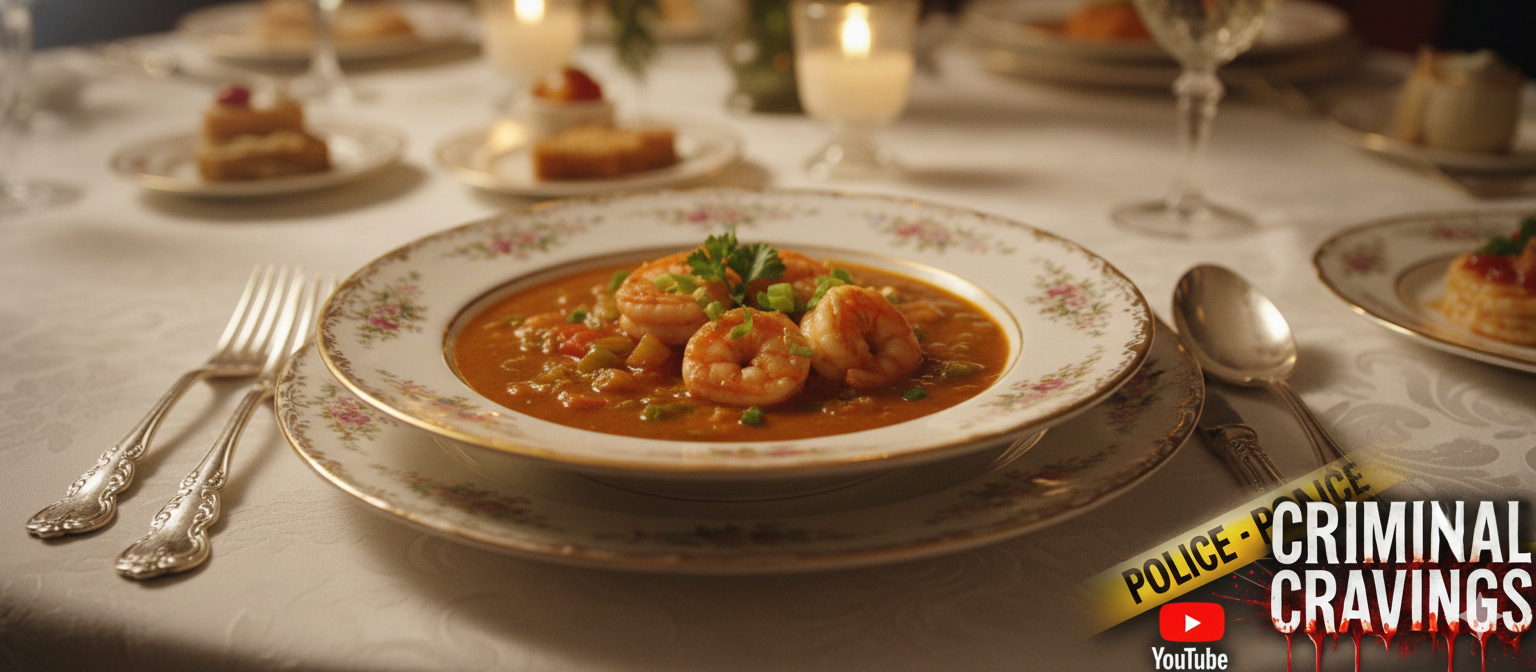
Classic Louisiana étouffée from the era of New Orleans' most infamous socialite.
 Mob Recipe
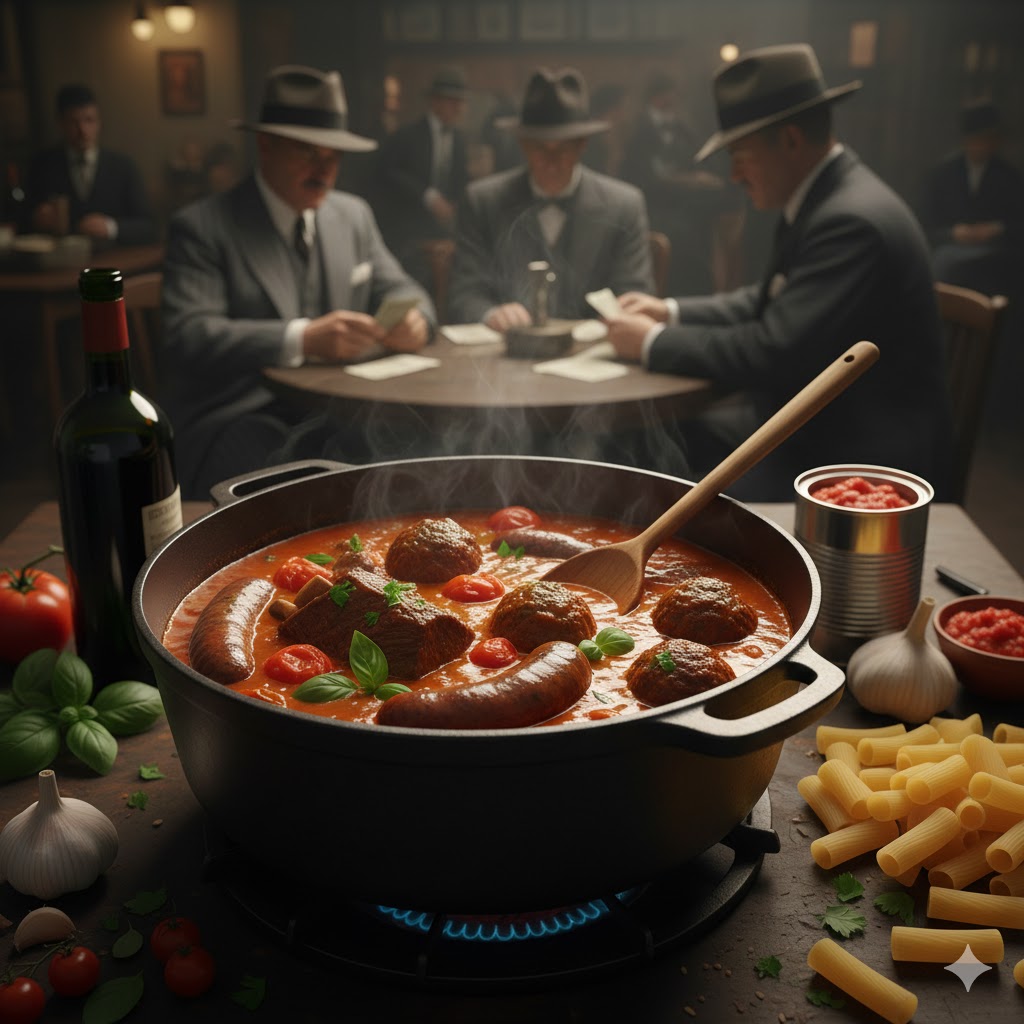
The legendary mobster's traditional Italian meat sauce.