 Last Meal
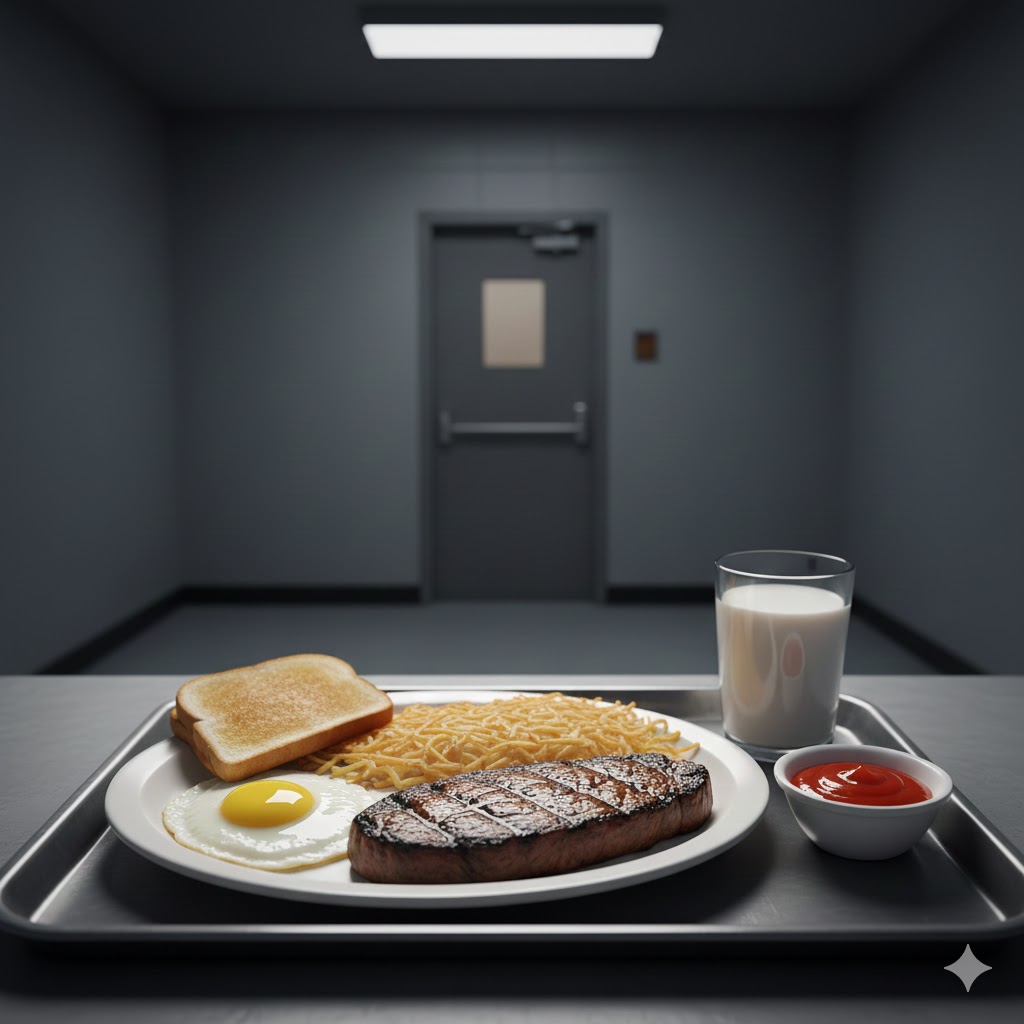
Ted Bundy's Final Steak & Eggs
The traditional last meal he declined to choose.

Born from necessity and creativity, the prison spread is an iconic dish created by inmates using only commissary items. This ramen-based creation has evolved into countless variations and represents the ingenuity found within the American prison system.
The prison spread, also known as "chi-chi," "swole," or "the hookup," emerged from the American prison system as a creative response to limited food options and the desire for variety beyond standard prison meals.
Inmates can purchase items from the commissary - a prison store stocked with packaged foods, snacks, and toiletries. Since cooking facilities are unavailable, prisoners developed methods to prepare meals using only hot water from sinks or showers and their own ingenuity.
The spread became a social institution. Making a spread is often a communal activity, with inmates pooling their commissary purchases to create a larger, more varied dish. It's shared among cellmates and friends, serving as a form of currency, celebration food, and a way to build relationships.
Ramen noodles are the backbone of prison cuisine. A single package costs around $0.25-$0.50 in most prison commissaries, making it accessible even to inmates with minimal funds. According to a 2016 study, ramen has actually surpassed cigarettes as the most valuable commodity in many American prisons.
Former inmates have brought spread recipes to the outside world, and the dish has gained a cult following. Cookbooks like "Prison Ramen" have documented hundreds of variations, preserving this unique piece of American culinary culture.
More dishes from criminal history.